Value of Water Tour · Contra Costa Water District
Following Our Water From the Delta to the Tap
You can turn on the tap without thinking much about what happens before the water gets there, but the history, engineering and investments behind it are fascinating.
I got to follow our water’s journey from beginning to end on Contra Costa Water District’s Value of Water Tour yesterday — from the Delta, to Los Vaqueros Reservoir, along the Contra Costa Canal through East County and finally to the Bollman Water Treatment Plant in Concord.
At the Delta intake, we talked about how CCWD employees decide where to draw water from. It sounds simple, but it isn’t. CCWD has several Delta intakes, and conditions like salinity and overall water quality, along with where water is needed in the system, determine which source makes the most sense at a given time.
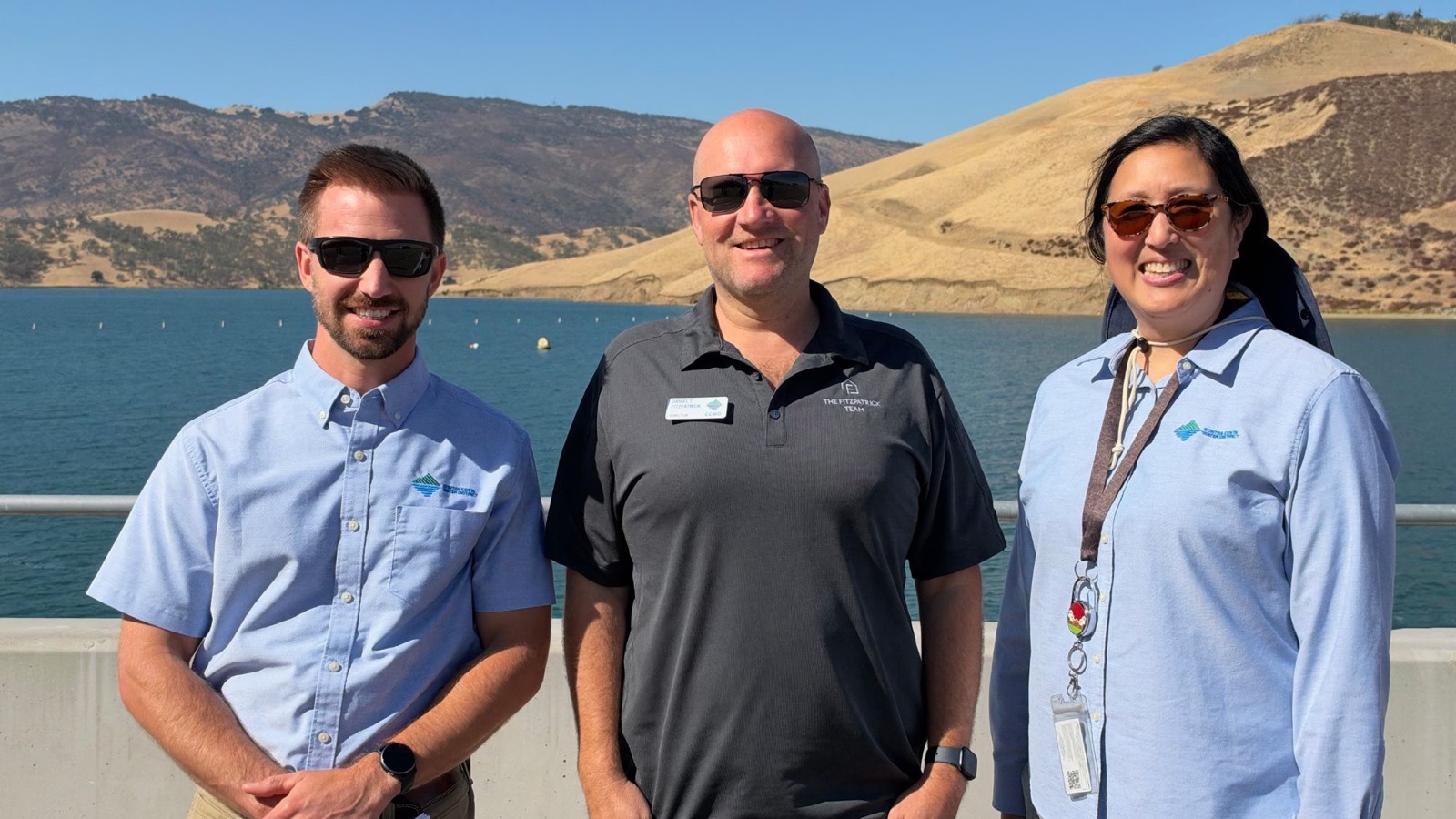
At Los Vaqueros, we saw a reservoir built for reliability — a place to store higher-quality water when conditions are good and draw on it when they aren’t, that has also become a place where people hike, fish and spend time outdoors. It’s gorgeous in early fall, under blue California skies. I recommend you check it out.
Then we followed the Contra Costa Canal that moves that water across the county. Some of this system works through pumps; other parts take advantage of gravity. Some of it is massive utility infrastructure; some of it runs alongside neighborhoods and trails.
Maintaining it means thinking not only about reliable water service, but about the safety of workers and the public around it. At the ridgeline, we stood above a deep-cut portion of a canal system first built nearly 90 years ago and talked about what comes next. CCWD is planning to replace 20 miles of the open Main Canal with buried pipeline over the coming decades — an enormous engineering project intended to make the system safer and more resilient.
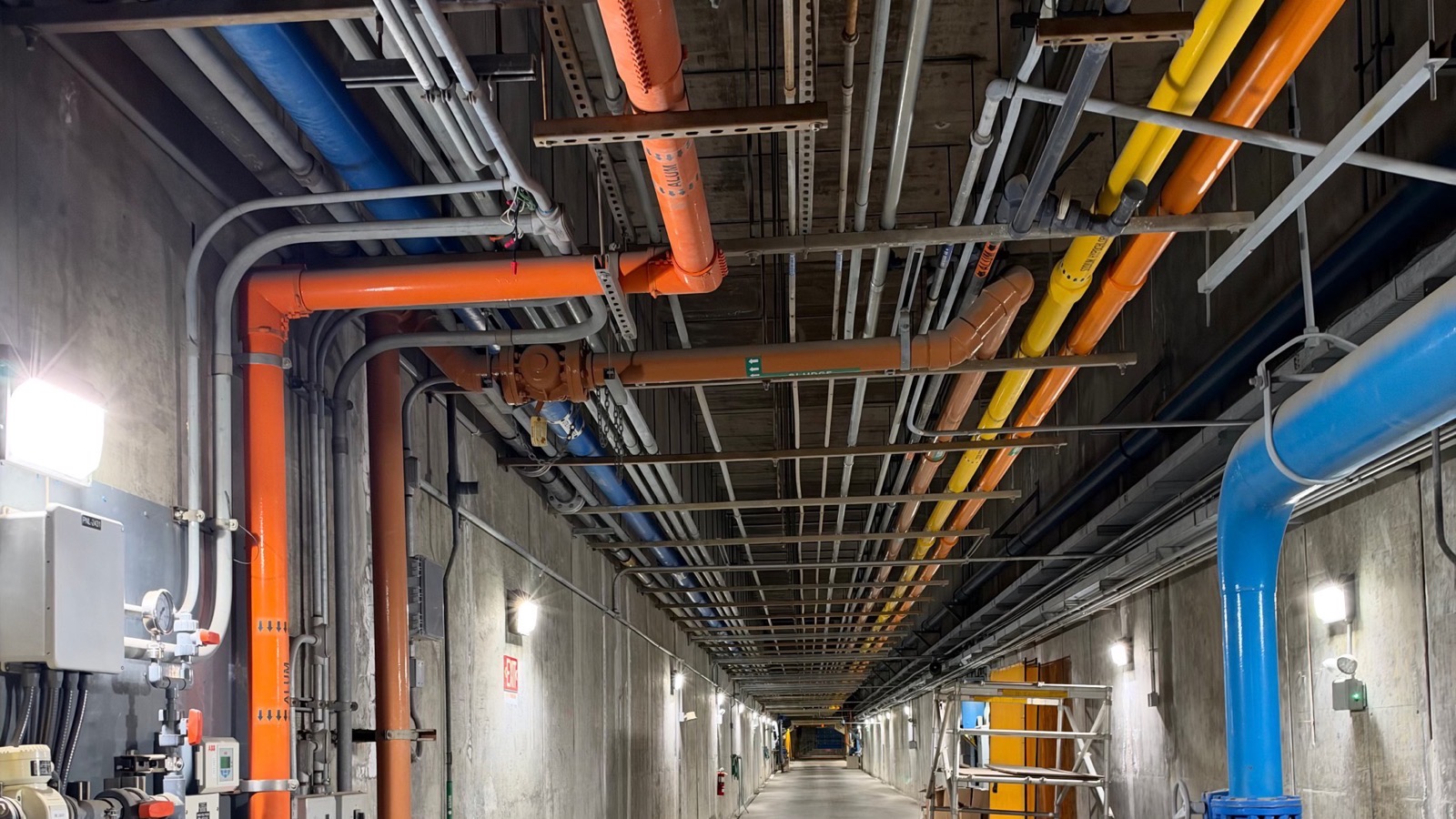
And at Bollman, all of that infrastructure finally leads to the process that turns raw water into drinking water: settling out particles, treatment with ozone, filtration through activated carbon and sand, disinfection and constant monitoring before that water ever reaches a faucet.
Much of what they do is invisible by design.
But the thing I found myself paying the most attention to all day wasn’t a dam, a canal or a treatment plant. It was the people. At every stop, I introduced myself to the operators, engineers and other employees who actually make this system work.
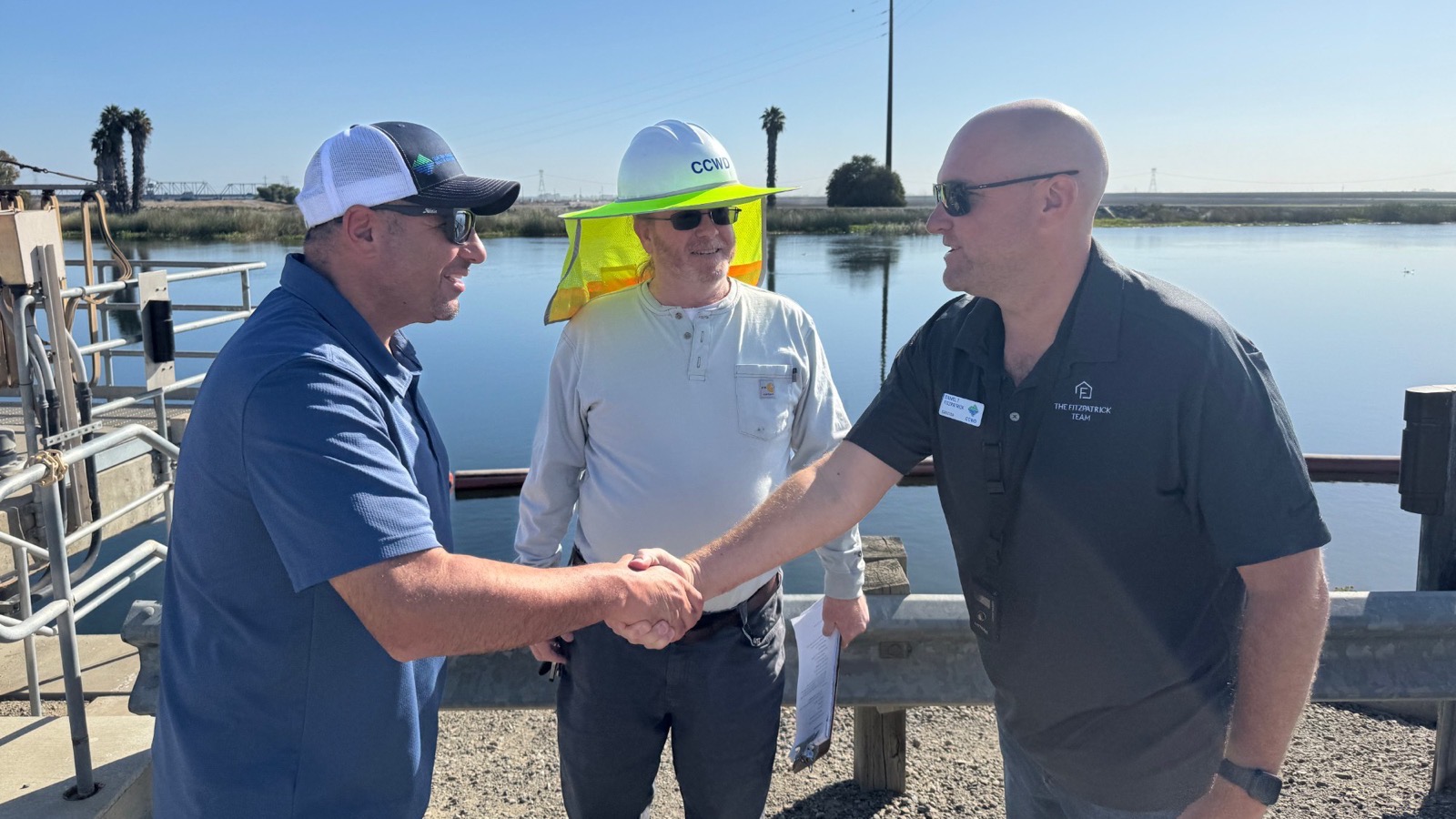
Much of what they do is invisible by design: when the system is working properly, most of us never have a reason to think about the person operating a pump, inspecting a canal, testing water quality or planning how infrastructure built generations ago will serve generations to come.
There are some interesting tensions built into a water system this large, because we have to maintain what we already have while preparing for what comes next. We have to protect hard-working utility infrastructure while opening some of these places for recreation, and use enormous pumps in one place while letting gravity do the work down the line.
But there are people making sure throughout this process that hundreds of thousands of Contra Costa residents get water when they turn on the tap. One of the things I value most about serving on the board is getting to know the people who do that work — and making sure they are part of how we plan for the district’s future.
CCWD offers these public tours periodically, and if you live or work in the district’s service area, I’d encourage you to take one. There’s something special about actually standing next to the intakes, the dam, the canal and the treatment plant and seeing how the whole system fits together. It’s incredibly impressive. There’s a remarkable amount happening behind something most of us use every single day.